It is 9:05 on a Monday morning, and a third grader raises her hand during morning meeting: she heard on the radio that a new national park opened, and she wants to know what a national park is. A kids' news site turns that moment into a lesson. You can pull up a short article or a ten-minute video, read it together, and let the class argue about it before the first subject of the day even starts.
The sites below cover the same ground in very different ways. Some publish leveled articles you can assign by reading level, some are daily video or audio shows you play while students settle in, and a couple are print magazines that travel home in backpacks. A few are free, and a few are paid school subscriptions, so the list mixes both and says plainly which is which.
How we picked: we started from a researched shortlist, then checked each site's official website on November 1, 2026 and only describe features and plans we could see there. We weighted fit for elementary classrooms, whether the news is written or presented for children rather than adapted from adult news, and whether a teacher can start using it without a purchase order.
Key takeaways
- Best free daily video news: CNN 10, a ten-minute show with a weekly quiz and full transcripts.
- TIME for Kids and Scholastic News group their articles by grade, from kindergarten through 6th grade.
- News-O-Matic publishes five new stories a day, each at five Lexile levels with a Read-to-Me option.
- KidNuz is a free daily news podcast with a Teacher's Lounge for classroom use.
- BBC Newsround is free and UK-focused, with daily video bulletins and signed and subtitled versions.
Quick comparison
| # | Tool | Best for | Grades / audience | Pricing | Free plan |
|---|---|---|---|---|---|
| 1 | grade-leveled news articles and class discussion | Grades K-6 | Free + paid | Yes | |
| 2 | a print and digital magazine tied to the curriculum | Grades K-6 | School license | No | |
| 3 | the same story at five reading levels | Grades K-8 | School license | No | |
| 4 | a free ten-minute daily news show | Upper elementary and up | Free | Yes | |
| 5 | free daily video bulletins for younger viewers | Ages 6-12 | Free | Yes | |
| 6 | a weekly print magazine that sparks opinions | Ages 8-14 | Paid | No | |
| 7 | a free daily news podcast for kids | Elementary | Free | Yes | |
| 8 | free plain-language world news with no sign-in | Elementary and up | Free | Yes |
Make a tool for teachers?
Built something teachers love? We keep these guides fresh, so send us a new tool, updated pricing or a featured spot request.
Request a listingThe 8 best picks
- Pricing
- Free + paid
- Free plan
- Yes
- Grades / audience
- Grades K-6
TIME for Kids publishes news articles written for children, grouped by grade level from K-1 through grades 5-6. Topics cover animals, science, government, history, environment, sports, and space, so you can pull a story that fits the week you are teaching. The site also offers podcasts, games, and a free careers platform with teaching resources.
What we like
- Articles grouped by grade level: K-1, grade 2, grades 3-4, and grades 5-6
- A wide topic list, from animals and space to government and the environment
- Podcasts and games alongside the news articles
- Free Empowering Futures careers platform with teaching resources
Watch out for
- Subscription prices were not listed on the pages we checked.
- Some sections, such as the grown-ups area, ask for a birth date before entry.
Pricing: Classroom access is a paid subscription; educators can request a quote, and prices were not listed on the pages we checked.
Scholastic News
Best for: a print and digital magazine tied to the curriculum
- Pricing
- School license
- Free plan
- No
- Grades / audience
- Grades K-6
Scholastic News is a classroom magazine for grades K to 6, available in print and digital form, with short nonfiction texts on current science and social studies topics. Each issue comes with videos, slideshows, and activities, and the content library holds articles on nearly any skill or topic. It is built to sit alongside your core curriculum rather than replace it.
What we like
- Print and digital issues for grades K through 6
- Short nonfiction texts that build science and social studies knowledge
- Differentiation tools, including varying text complexity, Spanish translations, and text-to-speech audio
- Formative assessments that practice evidence-based reading strategies
Watch out for
- No free plan is described on the page we checked, though sample magazines and a live demo are offered.
- A Science Spin add-on is sold separately at $1.49 per student, so confirm what your subscription includes.
Pricing: Scholastic News is a paid school subscription; the site invites schools to request a quote, and prices were not listed on the page we checked.
- Pricing
- School license
- Free plan
- No
- Grades / audience
- Grades K-8
News-O-Matic is a daily news platform for grades K to 8 that publishes five new stories each day, each written at five Lexile levels with a Read-to-Me option. Teachers get lesson plans, themed text sets, assessment questions, and customizable assignments, and the articles are enriched with photos, videos, and infographics. It is designed as a cross-curricular tool for English, science, and social studies.
What we like
- Five new stories published daily, each at five Lexile levels
- Read-to-Me audio on every article, recorded by native speakers
- Lesson plans, themed units, assessment questions, and customizable assignments
- Accessibility options that change navigation, font, and color for individual students
Watch out for
- No free plan or trial is described on the homepage we checked.
- The platform covers grades K-8, so younger students may need the lowest Lexile level and the audio support.
Pricing: News-O-Matic is a paid school platform; the site asks schools to request a quote, and prices were not listed on the page we checked.
- Pricing
- Free
- Free plan
- Yes
- Grades / audience
- Upper elementary and up
CNN 10 is a free daily news show that covers current events and global issues in ten minutes or less. Each episode is presented without opinion or slant, and the show posts a weekly news quiz and full transcripts of every episode. It works well as a morning routine: play the episode, then use the quiz or the transcript for a quick check of understanding.
What we like
- A new episode every weekday, each under ten minutes
- A weekly news quiz based on the week's episodes
- Full transcripts of every episode, useful for reading along or for absent students
- An archive of recent episodes to revisit a story
Watch out for
- The site does not list lesson plans or teacher tools, so plan your own discussion questions.
- The show is pitched at older students, so 5th and 6th graders will get more from it than 2nd and 3rd graders.
Pricing: CNN 10 is free to watch, with no subscription or sign-in.
- Pricing
- Free
- Free plan
- Yes
- Grades / audience
- Ages 6-12
BBC Newsround is the BBC's news programme for children, running since 1972, with daily video bulletins and written stories on the website. Stories cover world events, animals, science, sport, and school life, explained from the start with no assumed knowledge. Signed and subtitled versions of the bulletins are available, and children can send in photos and views to take part.
What we like
- Daily video bulletins, five to fifteen minutes long
- Written stories alongside the videos, covering world news, animals, science, and sport
- Signed and subtitled versions of the bulletins
- Quizzes and chances for children to send in their own photos and views
Watch out for
- Some video content is aimed at UK audiences and may not play the same way outside the UK.
- The site mixes news with games and quizzes, so set a clear task before students open it.
Pricing: Newsround is free to watch and read on the BBC website, with no subscription.
- Pricing
- Paid
- Free plan
- No
- Grades / audience
- Ages 8-14
The Week Junior is a weekly print magazine for children aged 8 to 14, with 32 colorful pages of news, photos, and big ideas in every issue. The reporting is presented as objective and unbiased, with fact-checkers behind it, and the magazine is built to get children talking about the news with parents, teachers, and friends. It suits a class that reads an issue at home and discusses it together.
What we like
- A new 32-page issue every week, delivered to the home
- News written for ages 8 to 14, with photos and explainers
- Reporting presented as objective and unbiased, checked by fact-checkers
- Stories chosen to help children form and express their own point of view
Watch out for
- Subscription prices were not listed on the pages we checked.
- The youngest readers in an elementary class may find the 8-to-14 age range a stretch, so it fits grades 3 and up best.
Pricing: The Week Junior is a paid print subscription; prices were not listed on the pages we checked.
- Pricing
- Free
- Free plan
- Yes
- Grades / audience
- Elementary
KidNuz is a free daily news podcast for kids, covering the day's top stories in a nonpartisan, age-appropriate way. Episodes are short enough for morning meeting or the ride home, and the site offers a Teacher's Lounge with classroom resources. The podcast is available on Apple Podcasts, Spotify, Pandora, Alexa, and TuneIn, and listeners can sign up to have episodes delivered by email.
What we like
- A new short episode every day with the top stories, kept nonpartisan and age-appropriate
- A Teacher's Lounge with resources for classroom use
- Available on Apple Podcasts, Spotify, Pandora, Alexa, and TuneIn
- Email delivery so episodes arrive in your inbox
Watch out for
- The homepage does not list episode lengths, so check the day's episode before planning how it fits your schedule.
- There is no text version of the stories on the homepage we checked, so it works better for listening than for reading practice.
Pricing: The KidNuz podcast is free to listen to on podcast apps, with no subscription.
- Pricing
- Free
- Free plan
- Yes
- Grades / audience
- Elementary and up
NewsForKids.net is a free, independent news site that retells real world news in simple language for young readers. New stories appear most days, covering world events, science, animals, and sport, and everything is free to read with no sign-in or paywall. It is a good first stop when a student asks about a story in the adult news and you need a version written for them.
What we like
- New stories most days, written in plain language
- Coverage of world events, science, animals, and sport
- Free to read with no sign-in or paywall
- Short articles that fit a quick read-aloud or a morning discussion
Watch out for
- The site does not list reading levels or teacher tools, so choose stories to match your class.
- No search by grade level is shown on the homepage, so browse by topic instead.
Pricing: NewsForKids.net is free to read, with no subscription or sign-in.
How we chose
We started from tools PreK–6 teachers actually use and checked every one against its official website, pricing page and feature pages on November 1, 2026. We kept tools that fit elementary classrooms, noted whether a free plan exists, and wrote down honest limitations next to the strengths. Nobody paid to be included, and we don't use affiliate links on this page.
- Fit for PreK–6 classrooms, special education or homeschool
- Clear information on the official site about what the tool does and who it is for
- Free plan or free-for-teachers option noted where one exists
- Still active and maintained, with rebrands noted
How to choose the right tool
Match the format to your routine. A ten-minute show such as CNN 10 or a KidNuz episode fits the first minutes of the day, while leveled articles from News-O-Matic or TIME for Kids fit a reading block where students work at their own level. A print magazine such as The Week Junior fits home reading followed by class discussion.
Check the reading level before you assign anything. News-O-Matic gives the same story at five Lexile levels, and TIME for Kids groups articles by grade band. A single-level site such as NewsForKids.net needs you to choose stories that match your class, and CNN 10 is pitched at older students, so preview it for 5th and 6th graders.
Preview hard news yourself first. These sites cover elections, protests, and disasters, and each one handles sensitive topics differently. Watch or read the piece, decide what your class is ready for, and have a discussion question ready so the news becomes a conversation instead of a shock.
Decide what free means for you. CNN 10, BBC Newsround, KidNuz, and NewsForKids.net cost nothing, while TIME for Kids, Scholastic News, and News-O-Matic are paid subscriptions that need a quote or a purchase order. A free site can carry a whole news routine on its own, and a paid one is worth it when you need leveled texts and teacher tools every week.
Pair watching or listening with a task. News sticks when students do something with it: a one-sentence summary, a question for the class, or an opinion paragraph. The printables in the box below give you that follow-up without another screen.
Best pick by situation
- You want a free ten-minute daily news routine to open the school day: CNN 10 — daily episodes under ten minutes, with a weekly quiz and transcripts
- You teach K-2 and want news written at the right reading level: TIME for Kids — articles grouped by grade level, from K-1 through grades 5-6
- You need the same story at different reading levels for one class: News-O-Matic — five Lexile levels per article, each with Read-to-Me audio
- You want a podcast for morning listening or the drive home: KidNuz — free daily episodes, nonpartisan and age-appropriate
- You want a print magazine kids read at home and discuss in class: The Week Junior — a weekly 32-page magazine for ages 8-14
- You need a free site with plain-language world news and no sign-in: NewsForKids.net — daily stories written simply, free to read
Pair it with printables
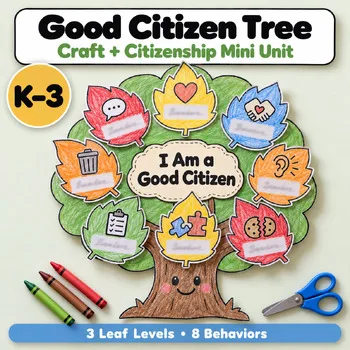
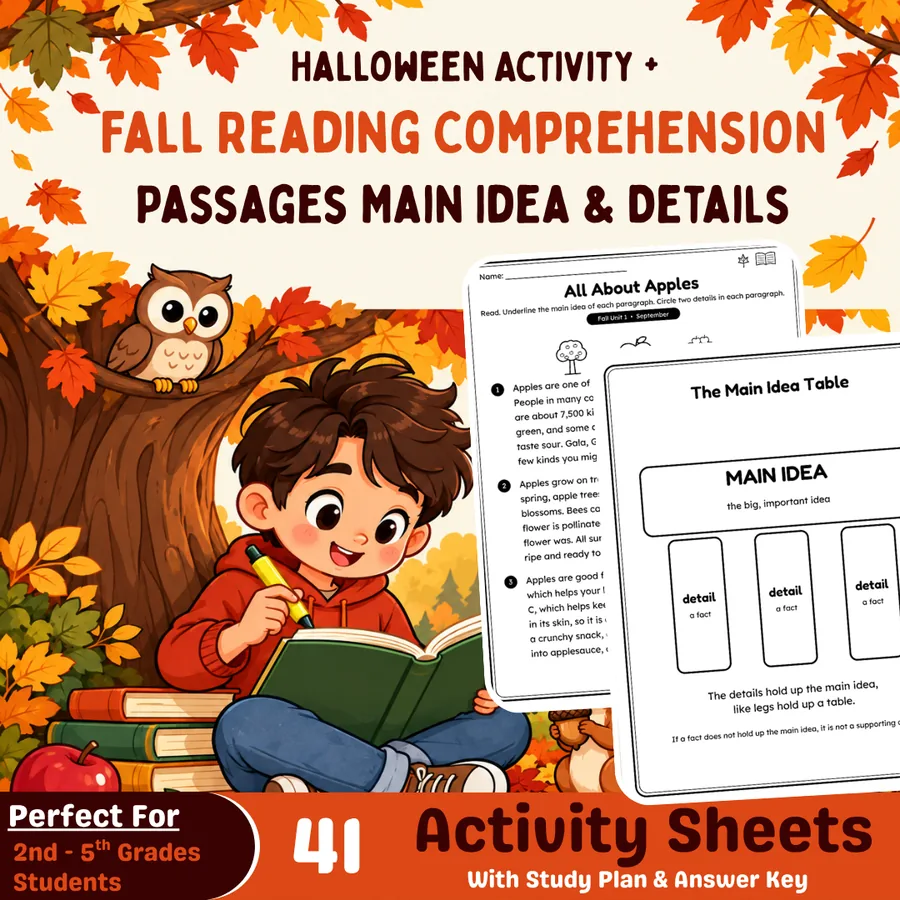
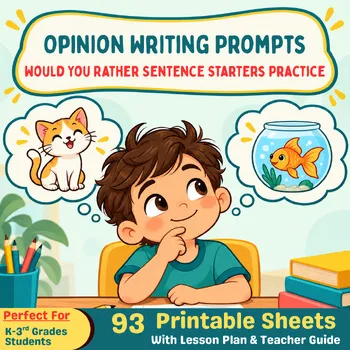
When you want hands-on follow-up after the news, these Activity Express printables pair well with any of the sites above.
Frequently asked questions
What is the best free kids' news site for the classroom?
CNN 10 is the strongest free starting point: a daily ten-minute show with a weekly quiz and transcripts, and no subscription. BBC Newsround and KidNuz are also free, and NewsForKids.net is a free site with plain-language articles.
Which kids' news sites have reading levels?
News-O-Matic offers every article at five Lexile levels with Read-to-Me audio. TIME for Kids groups articles by grade level from K-1 through grades 5-6, and Scholastic News offers varying text complexity, Spanish translations, and text-to-speech audio.
Are these kids' news sites nonpartisan?
KidNuz describes its coverage as nonpartisan, CNN 10 presents its show as no opinion and no slant, and The Week Junior describes its reporting as objective and unbiased. For any site, it is still worth previewing coverage of contested topics before sharing it with your class.
Can I use these sites for homework?
Yes, with a check first. The free sites and podcasts work at home with no cost, and The Week Junior is built for home reading. Paid sites such as Scholastic News and News-O-Matic need a school subscription, so confirm access before assigning them.
Which kids' news site is best for younger students?
TIME for Kids has articles for grades K-1, and Scholastic News covers kindergarten through 6th grade with print and digital issues. BBC Newsround is aimed at ages 6 to 12. CNN 10 and The Week Junior fit older elementary students better.
Make a tool for teachers?
Built something teachers love? We keep these guides fresh, so send us a new tool, updated pricing or a featured spot request.
Request a listingDisclosure: no tool on this page paid to be included and we don't earn commissions from these links. Featured placements, if we ever offer them, will be clearly labeled "Sponsored". Details were checked on each provider's official website on November 1, 2026 and can change.