Monday morning, first period: one student is still carrying Friday's argument into the room, another cannot sit still after the weekend, and a third has gone quiet after a rough morning at home. The math lesson is ready, but the room is not. That gap — between the lesson plan and the feelings in the room — is what an SEL curriculum is for.
The eight programs below are full curricula, not single activities: sequenced lessons a teacher or a whole school follows week after week, with scripts, videos or training so the teaching stays consistent from room to room. We checked each one on its own official site in November 2026, and we only kept programs that are active today and built for elementary ages. One of them costs nothing at all; the rest are paid, and most price by school or district rather than by classroom.
A curriculum is a bigger commitment than an app, so the right question is not which program is best in general but which one fits how your school already works — who teaches it, how much training your staff will take on, and whether you need lessons for one grade or a whole building.
Key takeaways
- Best free starting point: Harmony SEL, whose digital curriculum costs nothing for schools and covers PreK–6th grade.
- Second Step is the most complete single curriculum here, with brief lessons, activities and schoolwide tools from PreK through high school.
- Zones of Regulation is the pick for self-regulation: $144 per user per year for a digital curriculum with 200+ lessons and activities.
- Character Strong, RULER and Open Circle are whole-school systems — they need training and staff time, not just a purchase.
- Emotional ABCs is the small, independent pick for younger kids: three years of workshops built around a character called Moody.
Quick comparison
| # | Tool | Best for | Grades / audience | Pricing | Free plan |
|---|---|---|---|---|---|
| 1 | a full research-backed SEL curriculum | PreK–12 | Paid | No | |
| 2 | a free full SEL curriculum | PreK–6th grade | Free + paid | Yes | |
| 3 | teaching self-regulation with a common language | Ages 4+ | Paid | No | |
| 4 | a whole-child system across all three tiers | PreK–12 | School license | No | |
| 5 | building emotional intelligence schoolwide | PreK–12 | Paid | No | |
| 6 | short video lessons that fit any routine | PreK–12 | Paid | No | |
| 7 | building classroom community through circles | K–8 | Paid | No | |
| 8 | younger kids learning to calm big feelings | Early elementary | Paid | Trial only |
Make a tool for teachers?
Built something teachers love? We keep these guides fresh, so send us a new tool, updated pricing or a featured spot request.
Request a listingThe 8 best picks
- Pricing
- Paid
- Free plan
- No
- Grades / audience
- PreK–12
Second Step is a human-skills curriculum that runs from PreK through high school. Teachers deliver brief, structured lessons on skills such as empathy, problem-solving, emotion regulation and growth mindset, then follow them with hands-on activities that let students use the skills in real situations. Each lesson comes with easy-to-teach videos, visuals and step-by-step guidance, and the program adds schoolwide tools for principals and counselors so the language stays consistent across the building.
What we like
- Brief, structured lessons on skills like empathy, problem-solving and emotion regulation
- Hands-on classroom activities that practice skills in real situations
- Easy-to-teach videos, visuals and step-by-step guidance for each lesson
- Schoolwide tools for principals and counselors to support climate and consistency
Watch out for
- No prices on the site — budget through a quote, not a listed rate
- Designed for schoolwide use; a lone classroom sees less of the benefit
Pricing: Second Step does not publish prices on its site; schools contact the program for a quote.
- Pricing
- Free + paid
- Free plan
- Yes
- Grades / audience
- PreK–6th grade
Harmony SEL — Sanford Harmony — is a digital curriculum for PreK to 6th grade that teaches relationship skills, belonging and well-being through classroom resources and daily activities. The digital curriculum costs nothing for schools and organizations. Around it sit a family app (Harmony at Home), physical classroom kits, professional learning for educators, and Harmony Plus, which adds data tracking and training.
What we like
- Digital curriculum free for schools and organizations, for PreK–6th grade
- Classroom resources that build relationship skills and a sense of belonging
- Harmony at Home app with quick, research-backed activities for families
- Harmony Plus adds data tracking, instructional resources and professional training
Watch out for
- Data tracking and training sit in paid Harmony Plus, not in the free curriculum
- The kits are physical add-ons, so they take ordering and delivery time
Pricing: The digital curriculum is free for schools and organizations; prices for Harmony Plus and the kits are not published on the site.
Zones of Regulation
Best for: teaching self-regulation with a common language
- Pricing
- Paid
- Free plan
- No
- Grades / audience
- Ages 4+
The Zones of Regulation is a research-based framework and digital curriculum that teaches learners to notice their emotions and choose strategies to regulate them. Students learn a shared vocabulary — four colored Zones for different states of alertness and feeling — and practice tools for getting back to the Green Zone. The digital platform holds ready-to-use lessons, visuals and activities, and the program adds books, posters, games and apps that keep the language alive around the school.
What we like
- Digital curriculum with 200+ lessons, visuals and activities for ages 4+
- Four adult learning modules included with the subscription
- Movement-based activities, games, group discussions, printables and interactive videos
- Content built for a wide range of ages, neurotypes and communication preferences
Watch out for
- Per-user yearly pricing — count every adult who needs access
- The framework works best when the whole school uses the same Zones language
Pricing: The curriculum subscription costs $144 per user per year; the Pro Implementation Bundle, which adds training, costs $348 per user per year, with team discounts at checkout.
Character Strong
Best for: a whole-child system across all three tiers
- Pricing
- School license
- Free plan
- No
- Grades / audience
- PreK–12
Character Strong is a whole-child system that supports all three tiers of MTSS: a Tier 1 curriculum that teaches life skills and character, Tier 2 small-group interventions with screening and progress monitoring, and Tier 3 pathways for individual students. The elementary toolkit, PurposeFull People, runs PreK–5th around ten character traits, and the secondary curricula continue the same approach through middle and high school. Prevention lessons — bullying prevention, substance-use prevention, digital safety and child protection — are built into Tier 1 rather than sold separately.
What we like
- Tier 1 curriculum plus Tier 2 and Tier 3 intervention pathways in one system
- Elementary toolkit built around ten character traits, with lessons for PreK–5th
- Built-in prevention lessons: bullying, substance use, digital safety and child protection
- Screening tools and progress monitoring for Tier 2 and Tier 3
Watch out for
- No published prices — budget through a custom quote
- A whole-school system needs staff time to launch, not just a purchase
Pricing: Pricing is tailored to each school or district and is not published; schools request a custom quote.
- Pricing
- Paid
- Free plan
- No
- Grades / audience
- PreK–12
RULER is an approach to social and emotional learning developed at the Yale Center for Emotional Intelligence. It starts with staff learning — teachers and leaders build their own emotional-intelligence skills and a shared language for emotions — then moves into classroom instruction for students and engagement with families. Classroom work includes the Mood Meter, a chart students use to name how they feel and what they need. Schools begin by sending a team to a RULER training institute.
What we like
- Developed at the Yale Center for Emotional Intelligence
- Staff learning first, then classroom instruction and family engagement
- The Mood Meter gives students a shared way to name feelings
- A CASEL SELect program, meaning it passed CASEL's review for evidence and design
Watch out for
- No free tier and no published prices — schools apply for training
- It is a whole-school approach, so a single classroom cannot run it alone
Pricing: RULER starts with paid training institutes for school teams; no prices are published on the site.
- Pricing
- Paid
- Free plan
- No
- Grades / audience
- PreK–12
Move This World delivers social-emotional learning through short, video-based lessons that teachers can drop into any part of the day. The Tier 1 curriculum covers PreK through grade 12 with separate versions for early and late elementary, and Tier 2 interventions target specific skills for students who need more. It pairs with the DESSA assessment so schools can screen for needs, teach to them and track growth, and it adds an adult-wellness strand and a family platform with videos to practice at home.
What we like
- Short video lessons that fit into existing classroom routines
- Tier 1 curriculum for PreK–12, with separate early and late elementary versions
- Tier 2 interventions aligned to the Tier 1 curriculum
- Pairs with DESSA screening so instruction follows assessed needs
Watch out for
- No published prices and no free tier
- The DESSA pairing is a separate assessment, so check what is included in a quote
Pricing: School and district pricing is not published on the site; contact Move This World for a quote.
- Pricing
- Paid
- Free plan
- No
- Grades / audience
- K–8
Open Circle is a whole-school social and emotional learning program for elementary and middle schools. Teachers lead Open Circle meetings — short, structured circles where students practice decision-making, recognizing and managing emotions, perspective-taking and building healthy relationships. The program pairs its K–8 curriculum with experiential professional training that teaches educators to run the circles and model the skills themselves.
What we like
- A CASEL SELected K–8 curriculum with classroom circle meetings
- Experiential professional training for teachers, not just lesson plans
- Lessons on decision-making, problem-solving, emotion management and perspective-taking
- A whole-school model aimed at safe, welcoming and engaging learning communities
Watch out for
- No published prices — contact Open Circle for a quote
- Training is part of the package, so plan for staff time as well as cost
Pricing: Open Circle sells the curriculum together with professional training; prices are not published on the site.
- Pricing
- Paid
- Free plan
- Trial only
- Grades / audience
- Early elementary
Emotional ABCs is a social and emotional learning curriculum for young children, built around a character called Moody who is learning to handle his own feelings. Students follow sequential online workshops — Year 1, Year 2 and Year 3 — with videos, games and printable workbooks that teach them to notice feelings and choose responses. Teachers get a curriculum layout, a teacher guide and a print library, and the group plans add student and parent logins so practice continues at home.
What we like
- Sequential workshops across three years, with videos, games and workbooks
- A character, Moody, who models learning to manage strong feelings
- 100+ SEL activities plus a video and music library
- Student and parent logins on group plans, so skills are practiced at home
Watch out for
- Monthly pricing adds up over a school year — check the yearly rate
- Aimed at early elementary; it is not a whole-school K–5 curriculum
Pricing: Premium plans start at $23 a month for a single instructor, $35 a month for a small group and $47 a month for classroom groups, with a one-week limited trial.
How we chose
We started from tools PreK–6 teachers actually use and checked every one against its official website, pricing page and feature pages on November 5, 2026. We kept tools that fit elementary classrooms, noted whether a free plan exists, and wrote down honest limitations next to the strengths. Nobody paid to be included, and we don't use affiliate links on this page.
- Fit for PreK–6 classrooms, special education or homeschool
- Clear information on the official site about what the tool does and who it is for
- Free plan or free-for-teachers option noted where one exists
- Still active and maintained, with rebrands noted
How to choose the right tool
Start with who teaches it. A program that lives or dies on teacher delivery — RULER, Open Circle — needs training time booked before the first lesson; a video-led program like Move This World or a scripted one like Second Step asks less of a new teacher.
Match the scope to the need. If the goal is one classroom and one skill, a self-regulation framework (Zones) or a K–3 curriculum (Emotional ABCs) fits better than a whole-school system; if the goal is a shared language across the building, buy the system (Character Strong, Second Step, Harmony SEL).
Check the free tier honestly. Harmony SEL's digital curriculum really is free, and Emotional ABCs has a one-week trial — but training, data tracking and kits are where the paid programs add cost, so ask what the quote covers before comparing prices.
Ask about training and rollout. Every program here except the video and print ones expects adults to learn first; a quote that only lists the curriculum leaves out the biggest cost, which is staff time.
Plan for the long run. SEL only works when the same language shows up every week, so pick a program your school will still be running in two years rather than the one with the flashiest first month.
Best pick by situation
- Your school has no SEL budget and you need lessons now: Harmony SEL — the digital curriculum is free for schools
- You want one curriculum that covers every grade in the building: Second Step — sequenced lessons from PreK through high school
- Your students need help naming feelings and calming down: Zones of Regulation — a shared Zones language plus 200+ lessons and activities
- You are building an MTSS system and need all three tiers: Character Strong — Tier 1 curriculum with Tier 2 and Tier 3 pathways built in
- Your staff needs to learn emotional intelligence before teaching it: RULER — staff training first, then classroom instruction
- You teach K–3 and want short lessons that feel like play: Emotional ABCs — video workshops, games and printables built around Moody
Pair it with printables
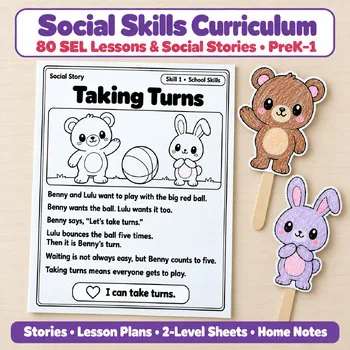
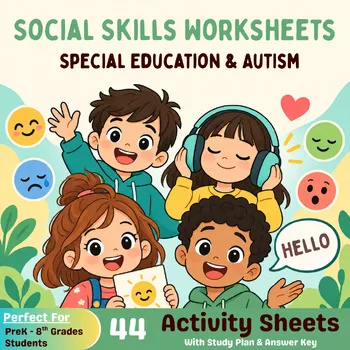
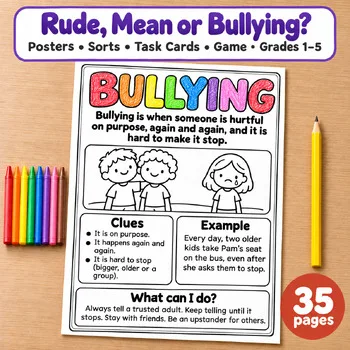
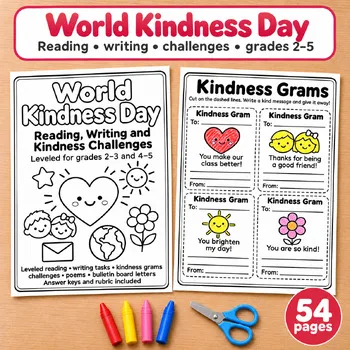
These printables from our store pair with the programs above — a full social-skills curriculum for the youngest grades, SEL worksheets, a bullying lesson and kindness activities that turn program lessons into hands-on practice.
Frequently asked questions
What is an SEL curriculum, and how is it different from an SEL app?
A curriculum is a sequenced set of lessons a teacher follows week after week, with scripts, training or videos so the teaching is consistent. An app usually teaches one skill in isolation. All eight programs here are full curricula or whole-school approaches, not single-skill apps.
Which of these programs is free?
Harmony SEL's digital curriculum is free for schools and organizations, covering PreK–6th grade. Emotional ABCs offers a one-week limited trial. The other six are paid, and most price by school or district rather than publishing a rate.
Do these programs work for one classroom, or do they need the whole school?
Zones of Regulation, Emotional ABCs and Move This World work well in a single classroom. Second Step, Character Strong, RULER and Open Circle are built for whole-school adoption, and Harmony SEL's free curriculum works either way.
What age range do these programs cover?
Second Step, Character Strong, RULER and Move This World run PreK–12. Harmony SEL's curriculum covers PreK–6th, Open Circle covers K–8, Zones of Regulation is for ages 4 and up, and Emotional ABCs is aimed at ages 4–11.
How much training do teachers need before starting?
It varies: Second Step and Move This World are built to be easy to teach with videos and scripts, while RULER and Open Circle start with formal training for staff. Ask each provider what training is included in the price before you commit.
Make a tool for teachers?
Built something teachers love? We keep these guides fresh, so send us a new tool, updated pricing or a featured spot request.
Request a listingDisclosure: no tool on this page paid to be included and we don't earn commissions from these links. Featured placements, if we ever offer them, will be clearly labeled "Sponsored". Details were checked on each provider's official website on November 5, 2026 and can change.