Every elementary teacher knows the moment. A student looks up from a map or a storybook and asks, who decides that? Who is in charge here? Why did people do it that way? Those questions are the whole of social studies — communities, rules, history, cultures, money and government — and they arrive long before the textbook does.
The tools below answer those questions in different ways. Some are games where students run a law firm, a presidential campaign or all three branches of government. Some are libraries of short history articles written for young readers. One is a museum's entire digital collection, organised into lessons you can copy. One is a weekly newspaper-style curriculum that replaces the textbook entirely. All of them were checked on their own official sites on November 4, 2026, and six of the eight cost nothing at all.
We picked tools that fit PreK–6 classrooms and homeschool families: free government and museum sites, small independent history sites made by teachers, and two big paid names for schools that want a full library or a full curriculum. No tool here was paid to appear, and every one of them has something a teacher can use this week.
Key takeaways
- Best free starting point: iCivics, with civics games, lesson plans and a K–5 curriculum that cost nothing.
- BrainPOP covers social studies with more than 300 topics across 18 units, from ancient cultures to elections.
- The Smithsonian Learning Lab puts millions of museum images, recordings and texts into collections teachers can copy and adapt.
- Ben's Guide, Ducksters and Mr. Donn are free, small and independent — government, history and lesson plans with no account needed.
- Studies Weekly is the only full curriculum here: weekly periodicals with lessons, assessments and teacher guides for grades K–5.
Quick comparison
| # | Tool | Best for | Grades / audience | Pricing | Free plan |
|---|---|---|---|---|---|
| 1 | animated social studies lessons | Grades 3–8 | Paid | Trial only | |
| 2 | free civics games | Grades K–5 and up | Free | Free (nonprofit) | |
| 3 | free videos and lesson plans | PreK–12 | Free | Yes | |
| 4 | primary sources and collections | PreK–6 | Free | Yes | |
| 5 | free history reading | Elementary students | Free | Yes | |
| 6 | how government works | Ages 4–8 and up | Free | Yes | |
| 7 | free lesson plans | K–12, with elementary sections | Free | Yes | |
| 8 | a full social studies curriculum | Grades K–5 | School license | No |
Make a tool for teachers?
Built something teachers love? We keep these guides fresh, so send us a new tool, updated pricing or a featured spot request.
Request a listingThe 8 best picks
- Pricing
- Paid
- Free plan
- Trial only
- Grades / audience
- Grades 3–8
BrainPOP is a library of short animated movies with quizzes, vocabulary work and reading passages built around each one. Its social studies side covers more than 300 topics across 18 units — ancient cultures, Native America, geography, Black history, U.S. presidents, the law, elections and economics — and the movies are built to give students background knowledge before the class reads or discusses. A teacher can play one movie to open a unit, then use the quiz and vocabulary activities to check what stuck.
What we like
- More than 300 social studies topics across 18 units, from ancient cultures to elections
- Each topic is built around a short animated movie, with quizzes, vocabulary practice and reading passages
- Units on U.S. history, world history, U.S. government, geography, culture and economics
- School subscriptions add assignments, progress tracking and LMS and rostering integrations
Watch out for
- School and district pricing is by enrollment — contact BrainPOP for a quote
- The social studies library is aimed at grades 3–8, so K–2 teachers should use BrainPOP Jr. instead
Pricing: A classroom license for BrainPOP (3–8) costs $330/year; school and district subscriptions are priced by enrollment, and a few topics are free each month.
- Pricing
- Free
- Free plan
- Free (nonprofit)
- Grades / audience
- Grades K–5 and up
iCivics is a nonprofit founded by retired Supreme Court Justice Sandra Day O'Connor, and everything on it is free. Students play games that put them in charge — running a law firm, managing a county, guiding citizens through the courts, running a presidential campaign — and each game teaches the civics behind the job. Teachers get lesson plans, a K–5 curriculum built around historical mysteries, and a free account that assigns games through Google Classroom or Clever.
What we like
- Civics games such as Win the White House, Do I Have a Right?, Branches of Power and Court Quest
- A K–5 curriculum, Private i History Detectives, that builds content knowledge through historical mysteries
- Ready-to-use lesson plans with a teacher guide, objectives, timing and steps
- DBQuest for analysing primary sources, plus WebQuests and simulations for whole-class work
Watch out for
- Games take about one class period each, so plan a follow-up discussion
- A free account is needed to assign games and track progress
Pricing: Free — hundreds of resources are free with a free teacher account.
- Pricing
- Free
- Free plan
- Yes
- Grades / audience
- PreK–12
PBS LearningMedia is a free library of classroom-ready videos, lesson plans, interactives and primary sources from PBS and its partners, including the Smithsonian and the Library of Congress. Its social studies side covers U.S. history, civics and government, geography and economics for every grade, with an emphasis on science and social studies. A teacher can search by grade and resource type, share a clip to Google Classroom, and build a lesson around a three-minute video.
What we like
- Thousands of free videos, lesson plans, interactives and primary sources, aligned to state and national standards
- Social studies collections for U.S. history, civics and government, geography and economics
- Resources from PBS programs and partners such as the Smithsonian and the Library of Congress
- A free account unlocks a teacher dashboard, rostering, assignments and sharing to Google Classroom
Watch out for
- Some videos are short clips, so check the length before planning around one
- The site is media-heavy, so a screen and speakers help
Pricing: Free — a free account unlocks all features.
- Pricing
- Free
- Free plan
- Yes
- Grades / audience
- PreK–6
The Smithsonian Learning Lab is the Smithsonian's digital education platform, and it is free. It holds millions of Smithsonian images, recordings, texts and videos, organised into thousands of collections made by educators — a PreK–2 toolkit about neighbourhoods, a grades 3–5 collection on an artist's life, a playlist on the first presidents. A teacher can copy a collection, rearrange it, add notes and quiz questions, and share it with the class.
What we like
- Millions of Smithsonian digital images, recordings, texts and videos in history, art and culture, and the sciences
- Thousands of collections organised for teaching by educators and subject experts, with collections by grade
- Copy a collection and adapt it, then add annotations, hotspots, quizzes and assignments
- Grade collections such as a PreK–2 neighbourhood toolkit and a grades 3–5 artist biography
Watch out for
- The site is large — start from a grade collection rather than a blank search
- Some linked resources lead to other Smithsonian sites
Pricing: Free to discover, create and share.
- Pricing
- Free
- Free plan
- Yes
- Grades / audience
- Elementary students
Ducksters is a small, independent site of short history articles written for kids, and it is free to read. Its history sections cover U.S. history from Native Americans through the Civil Rights Movement, world history from ancient Mesopotamia to World War 2, and biographies of presidents, explorers and women leaders. Sections carry works-cited pages, and the site holds the kidSAFE seal. It is the site to send a student to when they ask for more about a person or an event.
What we like
- U.S. history from Native Americans and Colonial America through the Civil Rights Movement and the Cold War
- World history from ancient Mesopotamia, Egypt, Greece and Rome through the Renaissance and both world wars
- Biographies of presidents, explorers, inventors, women leaders and civil rights leaders
- Geography sections and games, plus a money and economics section
Watch out for
- Ad-supported — the ads are COPPA-compliant but visible on the page
- Written for independent reading, so younger students may need support
Pricing: Free to read; the site is ad-supported.
- Pricing
- Free
- Free plan
- Yes
- Grades / audience
- Ages 4–8 and up
Ben's Guide is the U.S. Government Publishing Office's site for kids, and it is free. Ben Franklin leads learning adventures that explain how the federal government works — how laws are made, what the three branches do, how elections run — at three age levels, starting with Apprentice for ages 4–8. There are games, printable crosswords and word searches, a glossary of government words, and lesson plans grouped for grades K–5, 6–8 and 9–12.
What we like
- Three age levels: Apprentice for ages 4–8, Journey Person for ages 9–13, and Master for ages 14 and up
- Learning adventures on how laws are made, federal versus state government, and elections
- Games including Branch-O-Mania on the three branches of government and Place the States
- Free printable crosswords and word searches, plus a glossary of more than 80 government terms
Watch out for
- The ages 4–8 level is the right starting point for K–2
- Some pages link out to other government sites
Pricing: Free — a U.S. Government Publishing Office site.
- Pricing
- Free
- Free plan
- Yes
- Grades / audience
- K–12, with elementary sections
Mr. Donn is a free social studies site built by two teachers, Lin and Don Donn, and it has been running for years. It is really a set of linked subsites: ancient history, American history, government, economics, geography and holidays, each with a kids' section, free lesson plans and interactive games. There are classroom simulations, original stories set in ancient Greece, and free PowerPoints to project. It is the place to look when you need a whole unit planned, not just one activity.
What we like
- Free lesson plans and kids' sections for ancient history, American history, government, economics and geography
- Interactive games and classroom simulations for social studies units
- Original stories, including the Hercules Detective Agency mysteries set in ancient Greece
- Free PowerPoint presentations for classroom use across history and geography
Watch out for
- The design is plain and older — the content is the value
- Material is free for classroom use, not for reposting or selling
Pricing: Free to use in the classroom; the authors also sell books.
- Pricing
- School license
- Free plan
- No
- Grades / audience
- Grades K–5
Studies Weekly is a K–5 core curriculum that arrives as a weekly periodical instead of a textbook. Each week students get a short, illustrated newspaper-style edition with lessons, inquiry activities, primary sources and assessments, in print and online. The social studies editions cover the full year, and the site stresses multiple perspectives and diverse viewpoints. It is the one tool here that is a curriculum rather than a library — the choice when a school wants every class on the same weekly sequence.
What we like
- Weekly periodical format for social studies, with science and health editions too
- Ready-to-use lessons, assessments and teacher supports in a consistent weekly format
- Inquiry activities, primary sources and real-world connections in every lesson
- Multiple perspectives and diverse viewpoints, with differentiation built into the lessons
Watch out for
- No price is listed on the site — request a quote
- Best when the whole grade or school adopts it
Pricing: Paid — school license; no price is listed on the official site.
How we chose
We started from tools PreK–6 teachers actually use and checked every one against its official website, pricing page and feature pages on November 5, 2026. We kept tools that fit elementary classrooms, noted whether a free plan exists, and wrote down honest limitations next to the strengths. Nobody paid to be included, and we don't use affiliate links on this page.
- Fit for PreK–6 classrooms, special education or homeschool
- Clear information on the official site about what the tool does and who it is for
- Free plan or free-for-teachers option noted where one exists
- Still active and maintained, with rebrands noted
How to choose the right tool
Start with the question your class is actually asking. A class asking who makes the rules wants Ben's Guide or iCivics. A class asking what life was like long ago wants Ducksters or Mr. Donn. A class asking what is happening in the world wants PBS LearningMedia.
Match the reading level, not just the grade label. BrainPOP and iCivics games are written for grades 3 and up. Ben's Guide has a level for ages 4–8, and the Smithsonian's PreK–2 collections are built for the youngest readers.
Try the free tools before spending anything. iCivics, Ducksters, Ben's Guide, Mr. Donn, PBS LearningMedia and the Smithsonian Learning Lab all cost nothing. Use them for a unit first, then decide whether a paid library like BrainPOP or a curriculum like Studies Weekly adds enough to justify the cost.
Check whether you need accounts. The free reading sites need none. BrainPOP and iCivics want a teacher account for assigning work and seeing progress, so check your school's sign-in rules before planning a lesson around them.
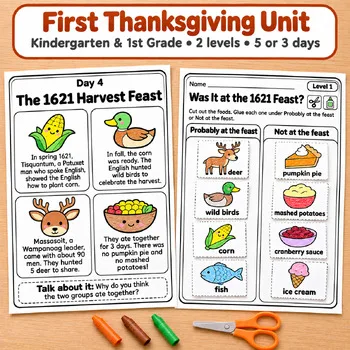
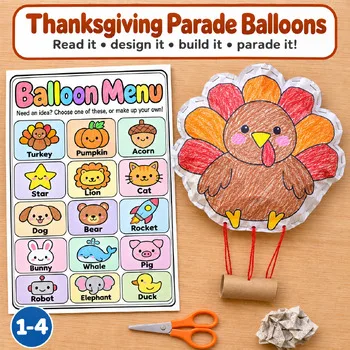
Pair the screen with something students can hold. A video about the first Thanksgiving lands better when the class then builds a timeline, writes a thank-you letter, or makes a parade balloon. The printables in the box below are built for exactly that step.
Best pick by situation
- You need a free civics lesson for tomorrow: iCivics — games and lesson plans ready to assign
- Your class is asking who makes the rules: Ben's Guide — government explained at three age levels
- You want students to read history on their own: Ducksters — short articles on US and world history
- You are teaching with real objects and documents: Smithsonian Learning Lab — millions of museum items in collections
- You want a short video to open a history lesson: PBS LearningMedia — videos and lesson plans from PBS
- You need a full social studies curriculum: Studies Weekly — weekly periodicals with lessons and tests
- You want free lesson plans for ancient history: Mr. Donn — complete units with games and stories
Pair it with printables
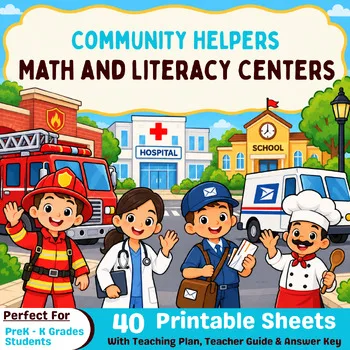
These printables from our store pair with the tools above — a history unit, a community-helpers center and a parade project that turn screen learning into hands-on work.
Frequently asked questions
What is the best free social studies tool for elementary school?
iCivics is the strongest free starting point, with games, lesson plans and a K–5 curriculum that cost nothing. Ducksters and Ben's Guide are the next ones to try for free history and government reading.
Do I need a full curriculum, or are free sites enough?
Most teachers get by with free sites. A full curriculum like Studies Weekly makes sense when the whole grade or school wants the same weekly sequence, with lessons, assessments and teacher guides in one place.
Which tool teaches how government works?
Ben's Guide explains the branches of government, how laws are made and how elections work, with three age levels starting at ages 4–8. iCivics games like Branches of Power and Do I Have a Right? let older students try those jobs out.
Can I use these tools without student accounts?
Yes, for most of them. Ducksters, Ben's Guide, Mr. Donn and the Smithsonian Learning Lab need no account at all. BrainPOP, iCivics and PBS LearningMedia work best with a teacher account so you can assign work and track progress.
Which tool is best for primary sources?
The Smithsonian Learning Lab, with millions of Smithsonian images, recordings, texts and videos organised into collections teachers can copy and adapt. iCivics also has DBQuest, a tool for digging into primary sources with students.
Make a tool for teachers?
Built something teachers love? We keep these guides fresh, so send us a new tool, updated pricing or a featured spot request.
Request a listingDisclosure: no tool on this page paid to be included and we don't earn commissions from these links. Featured placements, if we ever offer them, will be clearly labeled "Sponsored". Details were checked on each provider's official website on November 5, 2026 and can change.