A life science unit usually starts with a question a child asks out loud: why do bats hang upside down, how does a caterpillar know how to become a butterfly, what do penguins eat when the sea freezes? Those answers stick when students can see the animal, hear it, or watch it move — and that is what the tools below are for.
They cover the three ways children learn animals best. Some let a class watch real animals live, from giant pandas at the Smithsonian to brown bears fishing in Alaska. Some are libraries of short, readable animal facts a young student can actually finish. And two turn the ideas into play: build a creature from real animal parts, sort animals into the habitats where they belong, or identify the bird outside the classroom window. All eight were checked on their own official sites on November 4, 2026, and seven of them are completely free.
We picked tools that fit PreK–6 classrooms and homeschool families: big zoo and museum sites, a university encyclopedia, a bird guide from the Cornell Lab, a school research database, and two small independent sites made by people who love animals. No tool here was paid to appear.
Key takeaways
- Best free starting point: National Geographic Kids, with animal facts, photos, videos and games sorted by animal type.
- Smithsonian's National Zoo Webcams and Explore.org put live animals in front of the class for free — pandas, elephants, bears and eagles.
- PebbleGo is the only paid tool here: a school subscription with leveled animal research articles for K–5.
- All About Birds and Animal Diversity Web go deeper, for bird units and older students' species reports.
- Switch Zoo turns adaptations and habitats into games younger students actually want to replay.
Quick comparison
| # | Tool | Best for | Grades / audience | Pricing | Free plan |
|---|---|---|---|---|---|
| 1 | animal facts and photos for research | Elementary students | Free | Yes | |
| 2 | animal videos, games and fun facts | Elementary students | Free | Yes | |
| 3 | watching live animals in class | All ages | Free | Yes | |
| 4 | first research projects in K–3 | Grades K–5 | School license | unverified | |
| 5 | live nature cams and quiet observation | All ages | Free | Yes | |
| 6 | bird identification and bird sounds | Grades 3–6 and up | Free | Yes | |
| 7 | detailed species reports for older students | Grades 4–6 and up | Free | Yes | |
| 8 | adaptations and habitat games | Elementary students | Free | Yes |
Make a tool for teachers?
Built something teachers love? We keep these guides fresh, so send us a new tool, updated pricing or a featured spot request.
Request a listingThe 8 best picks
National Geographic Kids
Best for: animal facts and photos for research
- Pricing
- Free
- Free plan
- Yes
- Grades / audience
- Elementary students
National Geographic Kids runs an animal hub with short fact articles, photos, videos, games and quizzes about the animal kingdom. A teacher can send a student to one animal page — a lion, a sea turtle, a bat — and the student comes back with habitat, diet and a few facts worth sharing.
What we like
- Animal profiles sorted by type: mammals, birds, reptiles, amphibians, fish, invertebrates and prehistoric animals
- Short animal-fact articles with photos, covering habitat, behaviour, speed and appetite
- Video series and animal games and quizzes on the same pages
- A Weird But True! section with surprising animal facts for lesson openers
Watch out for
- Shop links and subscription offers appear around the animal pages
- Articles are short, so older students will need a second source for a full report
Pricing: Free to read on the site.
San Diego Zoo Wildlife Explorers
Best for: animal videos, games and fun facts
- Pricing
- Free
- Free plan
- Yes
- Grades / audience
- Elementary students
San Diego Zoo Wildlife Explorers is the San Diego Zoo Wildlife Alliance's site for children, with animal facts, videos, stories, hands-on activities and games. It is the place to send a class that has just finished a zoo visit — or a class that cannot make one.
What we like
- Did You Know? animal facts on the home page, from okapi tongues to tiger night vision
- Animal videos, fun stories and hands-on activities and crafts, including drawing lessons
- Games that keep younger students practising what they just read
- Links out to the zoo's live wildlife cams
Watch out for
- Mostly short reads and games rather than long articles, so pair it with a research task
- The live cams live on the main zoo site, not on the kids' pages
Pricing: Free — the whole site is free to use.
Smithsonian's National Zoo Webcams
Best for: watching live animals in class
- Pricing
- Free
- Free plan
- Yes
- Grades / audience
- All ages
The Smithsonian's National Zoo streams live animal cams from Washington, D.C., so a class can watch giant pandas, elephants, lions and naked mole-rats as they eat, sleep and play. It turns a ten-minute observation slot into real science: what is the animal doing, and why?
What we like
- Live streams of giant pandas, elephants, lions and naked mole-rats
- A Cheetah Cub Cam inside the den at the Conservation Biology Institute in Virginia
- Free Animal Cam Bingo Cards for close observation
- An Animal Behavior Ethogram activity for recording what animals do
Watch out for
- Cams show live animals, so nothing is guaranteed to happen during a lesson
- The cheetah cub cam is at the Virginia facility, not the Washington zoo
Pricing: Free — the cams and the activities cost nothing.
- Pricing
- School license
- Free plan
- unverified
- Grades / audience
- Grades K–5
PebbleGo is Capstone's leveled nonfiction research platform for elementary students, with read-aloud articles on animals, science, social studies and biographies. Its Animals module is built for young researchers: short articles, audio support and ready-made activities, with PebbleGo Next Animals carrying the same idea into grades 3–5.
What we like
- Read-aloud articles written for K–3 readers, with PebbleGo Next for grades 3–5
- An Animals module with articles grouped by habitat, pets, farm animals and more
- Built-in lesson plans and activities, including animal-habitat and food-web research
- Games and learning activities alongside the articles
Watch out for
- Needs a school login — students cannot use it from home without one
- Pricing is by quote, so budget planning takes an extra step
Pricing: A paid school subscription; no price is listed on the official site.
- Pricing
- Free
- Free plan
- Yes
- Grades / audience
- All ages
Explore.org is a philanthropic live nature cam network, and its cameras show wildlife and wild places as they are right now. A class can watch brown bears fishing at Brooks Falls in Alaska, eagles on a nest, pandas in China or manatees in Florida — raw and unscripted, with nothing staged for the camera.
What we like
- Live cams of brown bears at Brooks Falls, eagles, pandas, manatees and more
- Weekly highlight clips so a class can catch the best moments
- Documentary films about wildlife and conservation
- Live chat on the cams for questions and observations
Watch out for
- Wild animals do not perform on schedule — a cam can be quiet for a whole lesson
- Some cams are seasonal
Pricing: Free — the cams are free to watch.
- Pricing
- Free
- Free plan
- Yes
- Grades / audience
- Grades 3–6 and up
All About Birds is the Cornell Lab of Ornithology's free online guide to North American birds. Each species profile has photos, sounds and videos, and the site's bird ID articles teach students to identify birds by size, shape, color pattern and behavior — the same clues real birders use.
What we like
- Species profiles for more than 700 North American birds, with photos, sounds and videos
- Step-by-step bird ID articles, including how to use size, shape and color pattern
- Audio recordings of bird songs and calls on species pages
- The free Merlin Bird ID app, linked from the site, for identifying birds in the field
Watch out for
- North American birds only, so it will not cover animals from other continents
- Some Bird Academy courses linked from the site are paid, though the guide itself is free
Pricing: Free — the site states it is a free resource funded by donors.
Animal Diversity Web
Best for: detailed species reports for older students
- Pricing
- Free
- Free plan
- Yes
- Grades / audience
- Grades 4–6 and up
The Animal Diversity Web is the University of Michigan Museum of Zoology's searchable encyclopedia of animal natural history. Each species account covers distribution, natural history, conservation and economic importance, with photos and sounds — the kind of depth a grades 4–6 species report actually needs.
What we like
- Species accounts covering distribution, natural history, conservation and economic importance
- Browse by animal group: mammals, birds, reptiles, amphibians, fishes, insects and more
- Photos and animal sounds on many species pages
- A search guide and glossary for looking up species by name
Watch out for
- Reading level is higher than the kids' sites here — best for grades 4–6
- Some images are restricted to the University of Michigan domain
Pricing: Free — the whole site is free to use.
- Pricing
- Free
- Free plan
- Yes
- Grades / audience
- Elementary students
Switch Zoo is a small independent site with 142 animal species in nine habitats, and its games teach the ideas behind a life science unit without feeling like a lesson. Students switch animal heads, legs and tails to build new creatures, then build whole biomes and sort animals into the continents and oceans where they live.
What we like
- Make New Animals: switch heads, legs and tails to build new creatures from 142 species
- Build a Biome: build six world biomes by choosing the right plants, animals, temperature and rainfall
- Where Do I Live? games that sort animals by continent or ocean
- Animal profiles for all 142 species, plus lesson plans
Watch out for
- A small site with a plain design — no accounts or progress tracking
- Best as a 15-minute game break rather than a full lesson
Pricing: Free — the games and profiles are free to play.
How we chose
We started from tools PreK–6 teachers actually use and checked every one against its official website, pricing page and feature pages on November 5, 2026. We kept tools that fit elementary classrooms, noted whether a free plan exists, and wrote down honest limitations next to the strengths. Nobody paid to be included, and we don't use affiliate links on this page.
- Fit for PreK–6 classrooms, special education or homeschool
- Clear information on the official site about what the tool does and who it is for
- Free plan or free-for-teachers option noted where one exists
- Still active and maintained, with rebrands noted
How to choose the right tool
Match the tool to the moment. A fact for a lesson opener wants National Geographic Kids. A live observation wants the Smithsonian cams or Explore.org. A research project wants PebbleGo for younger students or Animal Diversity Web for older ones.
Start free. Seven of the eight tools cost nothing. Try those before asking your school about a PebbleGo subscription — most animal units never need a paid tool at all.
Check the reading level. San Diego Zoo Wildlife Explorers, National Geographic Kids and Switch Zoo suit the youngest readers. All About Birds and Animal Diversity Web suit grades 3–6 and up, so read those with younger students instead of handing them over.
Plan for quiet cams. Live animals do not perform on schedule. Keep a highlight clip from Explore.org or a National Geographic Kids video ready for the minutes when a cam shows an empty habitat.
Take it outside. The tools work best when students look at real animals afterwards — a schoolyard bird count with All About Birds, a habitat hunt in the playground, or a family zoo visit with questions prepared in advance.
Best pick by situation
- You need a quick animal fact for tomorrow's lesson: National Geographic Kids — short fact articles with photos, sorted by animal type
- Your class wants to watch a real animal right now: Smithsonian's National Zoo Webcams — live pandas, elephants, lions and naked mole-rats
- You are teaching animal adaptations: Switch Zoo — build new creatures from real animal parts
- You want students to research an animal on their own: PebbleGo — leveled read-aloud articles written for K–3
- You are starting a bird unit or a schoolyard bird count: All About Birds — ID help, bird sounds and species profiles
- You need a calm observation activity: Explore.org — live nature cams that reward patient watching
- An older student needs a detailed species report: Animal Diversity Web — full species accounts with range and conservation
Pair it with printables
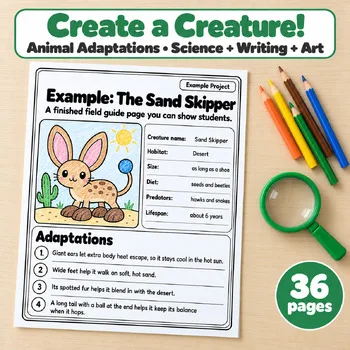
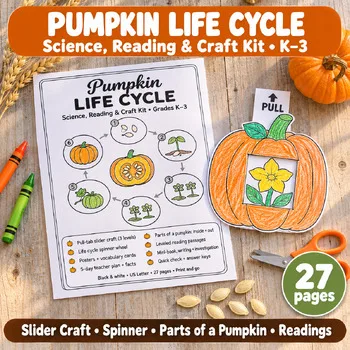
When the screens go off, these printables keep the animal learning going — an adaptations project, a bat unit and a life-cycle craft that pair with the tools above.
Frequently asked questions
What is the best free animal resource for elementary school?
National Geographic Kids is the strongest free starting point, with short animal-fact articles, photos, videos and games sorted by animal type. San Diego Zoo Wildlife Explorers is the next one to try for younger students who like games and videos.
Can I watch live animals without paying?
Yes. The Smithsonian's National Zoo Webcams and Explore.org are both free. The Smithsonian cams show pandas, elephants, lions and naked mole-rats, while Explore.org shows wild animals — bears, eagles, pandas and manatees — in their own habitats.
Which tool is best for animal research projects?
PebbleGo is built for first research in K–3, with leveled read-aloud articles and an Animals module. For grades 4–6, Animal Diversity Web gives the deeper species accounts a full report needs.
Are these safe for kids to explore on their own?
National Geographic Kids, San Diego Zoo Wildlife Explorers and Switch Zoo are made for children to browse. All About Birds and Animal Diversity Web are better explored together as a class the first time, because the reading level is higher.
Do any of these work for a bird unit?
All About Birds is the one to open first: species profiles with photos and sounds, bird ID help and the free Merlin Bird ID app. Pair it with the Smithsonian cams or an Explore.org eagle nest for live watching.
Make a tool for teachers?
Built something teachers love? We keep these guides fresh, so send us a new tool, updated pricing or a featured spot request.
Request a listingDisclosure: no tool on this page paid to be included and we don't earn commissions from these links. Featured placements, if we ever offer them, will be clearly labeled "Sponsored". Details were checked on each provider's official website on November 5, 2026 and can change.