A third grader can add 7 + 8 without thinking, then freeze on 7 × 8. That gap is the daily problem with multiplication facts: children need to recall them instantly, and instant recall only comes from short, repeated, low-stress practice. Flashcards work for a while, but a whole class needs something that keeps going after the novelty wears off.
The apps below cover the main ways teachers build that practice: a free daily fluency routine, a rock-star game with leaderboards, adaptive programs that focus on the facts a child has not learned yet, a strategy-based program that teaches facts through models, and free games and songs for centers and homework. Some are built for schools, and a few are clearly aimed at families, which matters if you plan to recommend one for home practice.
How we picked: we started from a researched shortlist, then checked each tool's official website on November 1, 2026 and only describe features and plans we could see there. We weighted fit for grades 2–5 classrooms, whether the multiplication practice is easy to find inside the tool, and whether teachers can get started for free.
Key takeaways
- Best free option for a daily fluency routine: XtraMath, a nonprofit program with 10-minute sessions and progress reports.
- Times Tables Rock Stars is the most game-like option, with adaptive games, heatmaps, and live multiplayer.
- Reflex and MathFactLab are the most structured choices: Reflex adapts to each student, while MathFactLab teaches facts through strategies and models.
- Multiplication.com and Sumdog both offer free games teachers can open today, with no paid account needed to start.
- Numberock teaches facts through songs and videos, with lesson materials for each song.
Quick comparison
| # | Tool | Best for | Grades / audience | Pricing | Free plan |
|---|---|---|---|---|---|
| 1 | free daily fact fluency practice | Elementary students | Free + paid | Yes | |
| 2 | motivating daily times tables practice | Ages 6+ | Paid | No | |
| 3 | adaptive fluency practice for grades 2–6 | Grades 2–6 | School license | Trial only | |
| 4 | strategy-based fluency, not just drills | Grades K–5 | Paid | No | |
| 5 | free games, quizzes, and flashcards | Elementary students | Free | Yes | |
| 6 | story-driven math fact games | Grades K–5 | Freemium | Yes | |
| 7 | free times tables games and checks | Ages 5–14 | Freemium | Yes | |
| 8 | songs and videos that teach the facts | Grades K–5 | Paid | Trial only |
Make a tool for teachers?
Built something teachers love? We keep these guides fresh, so send us a new tool, updated pricing or a featured spot request.
Request a listingThe 8 best picks
- Pricing
- Free + paid
- Free plan
- Yes
- Grades / audience
- Elementary students
XtraMath is a free nonprofit program that builds math fact fluency in about 10 minutes a day. A teacher creates a free account, sets up a class in minutes, and students practise addition, subtraction, multiplication, and division facts in short daily sessions. Weekly and monthly progress reports show which facts each student has mastered, and a diagnostic assessment lets students skip the facts they already know.
What we like
- Short daily sessions of about 10 minutes for all four operations
- Diagnostic assessment that skips practice for facts a student already knows
- Build-your-own program to choose any operation and combination of settings
- Weekly and monthly progress reports for teachers
Watch out for
- School pricing was not listed on the pages we checked.
- The site does not state grade ranges, so check the fact sets against your own scope and sequence.
Pricing: The core program is free for teachers and families, and a paid XtraMath for School version adds advanced reports, printable resources, and priority support.
- Pricing
- Paid
- Free plan
- No
- Grades / audience
- Ages 6+
Times Tables Rock Stars, known as TTRS, is a question-based times tables program where children practise multiplication and division facts as a rock star, earning coins and climbing leaderboards. The games adapt to each child's level, and in-game heatmaps show how close each student is to fluency. It works in a browser or as an app on phones and tablets, and teachers can track each child's progress.
What we like
- Adaptive question-based games that adjust to each child's level
- Heatmaps that show progress toward fluency in multiplication and division
- Live multiplayer games, leaderboards, and competitions
- Works on any device, in a browser or through the app
Watch out for
- No free plan is described on the purchase page we checked.
- It is designed for ages 6 and up, so it is not a fit for the youngest learners.
Pricing: A school subscription costs US$260 a year for unlimited pupils and teachers, and a family subscription costs US$16 a year for up to 3 children and 2 adult accounts.
- Pricing
- School license
- Free plan
- Trial only
- Grades / audience
- Grades 2–6
Reflex, from ExploreLearning, is an adaptive game-based program for mastering addition, subtraction, multiplication, and division facts. Students play games that adjust to what they know, earning tokens for online prizes while the program removes facts they have already mastered. Teachers get usage and fluency growth reports, and Reflex Competitions let whole schools take part in math challenges.
What we like
- Adaptive games that focus practice on facts a student has not yet mastered
- Tokens and online prizes that students earn as they play
- Teacher reports on student usage and fluency growth
- Reflex Competitions that let whole schools take part in math challenges
Watch out for
- No prices are listed on the site; request a quote from ExploreLearning.
- It covers all four operations, so multiplication is one strand among four.
Pricing: Pricing is quote-based and varies by subscription type and student count; a school site license covering all teachers and students for a year is available, and a free trial is offered.
- Pricing
- Paid
- Free plan
- No
- Grades / audience
- Grades K–5
MathFactLab is a math fact fluency program created by a fifth-grade teacher, built on strategy instruction rather than timed drills. Students learn to build new facts from facts they already know, using models such as number lines, bar diagrams, and ten frames. A pre-assessment places each student at the right starting point, and teachers can adjust time limits and settings for individual students.
What we like
- Strategy-based practice using number lines, bar diagrams, and ten frames
- Pre-assessment that places each student at the right starting point
- Multiplication and division facts taught together as fact families
- Teacher tools to track progress and adjust settings per student
Watch out for
- No free plan or trial is described on the pricing page we checked.
- The program covers all four operations, so multiplication is one strand among four.
Pricing: A Teacher Plan costs $125 a year for 50 student licenses ($50 a year for teachers paying out of pocket), a Family Plan costs $15 a year for one child, and school plans start at $3 per student per year.
- Pricing
- Free
- Free plan
- Yes
- Grades / audience
- Elementary students
Multiplication.com is a free site dedicated to the multiplication facts, with games, auto-scored quizzes, flashcards, worksheets, and step-by-step lessons. Students can pick one set of facts at a time, such as the 3s or the 6s, and the quizzes and games adjust to the student's level. It is owned by IXL Learning.
What we like
- Free multiplication games, including racing and arcade-style games
- Auto-scored quizzes and printable flashcards
- Step-by-step lessons for learning the facts in order
- Activities that adapt to each student's level
Watch out for
- No teacher dashboard or progress tracking is described on the homepage.
- The site is owned by IXL Learning, so expect IXL branding and links on the pages.
Pricing: The games, quizzes, flashcards, and lessons are free to use on the site.
- Pricing
- Freemium
- Free plan
- Yes
- Grades / audience
- Grades K–5
Monster Math, from Makkajai, is an adventure game where children help Maxx explore new worlds and battle monsters by solving math problems. It covers more than 40 skills, including addition, subtraction, multiplication, division, times tables, factors, and multiples, and the difficulty adapts to each child. Detailed progress reports and weekly emails show parents and teachers how a student is doing.
What we like
- Story-based adventure game across four worlds with 20 levels
- More than 40 math skills, including multiplication, division, and times tables
- Adaptive difficulty that adjusts to each child's level
- Detailed progress reports and weekly emails for parents and teachers
Watch out for
- App store listings show different annual prices, so check the price in your store before subscribing.
- Use the skill settings to focus on times tables, since the app also covers addition, subtraction, and other skills.
Pricing: The first world is free to try, and full access is an annual subscription with a 7-day free trial.
- Pricing
- Freemium
- Free plan
- Yes
- Grades / audience
- Ages 5–14
Sumdog is a game-based math practice site with a dedicated times tables section, including a Multiplication Tables Check and more than 36 engaging games. Teachers can set practice for a class or let students practise on their own, and the games adapt to each child's level. A pathway of lessons builds multiplication understanding step by step before students are tested on speed.
What we like
- Times tables practice tools, including a 25-question Multiplication Tables Check
- More than 36 times tables games with pupil-led and teacher-set practice
- Games that adapt to each child's level across more than 100 numeracy topics
- Reports that show each student's accuracy on the tables check
Watch out for
- Premium prices were not listed on the pages we checked.
- It is made by a UK company, so some terms follow UK conventions.
Pricing: The games are free to play for home and school practice, and a paid Sumdog Premium subscription adds detailed reports, competitions, and extra teacher tools.
- Pricing
- Paid
- Free plan
- Trial only
- Grades / audience
- Grades K–5
Numberock teaches elementary math through animated music videos, with songs for multiplication, division, fractions, and more. Each song comes with lesson materials such as printable worksheets, games, anchor charts, and task cards, so a video can become a full lesson. The videos are ad-free, and teachers can assign them through Google Classroom.
What we like
- Animated music videos for multiplication and other elementary math topics
- Lesson materials for each song, including worksheets, games, and anchor charts
- Printable and digital self-graded task cards for Google Classroom
- Online auto-graded quizzes with up to 100 student accounts
Watch out for
- The numberock.com homepage showed a bot-check screen when we tried to open it on November 1, 2026, so details come from its official song pages and membership pages.
- It is a small independent company, so the library grows one song at a time.
Pricing: A 30-day free trial gives full access to the video library and materials, and then membership costs $4.95 a month.
How we chose
We started from tools PreK–6 teachers actually use and checked every one against its official website, pricing page and feature pages on November 1, 2026. We kept tools that fit elementary classrooms, noted whether a free plan exists, and wrote down honest limitations next to the strengths. Nobody paid to be included, and we don't use affiliate links on this page.
- Fit for PreK–6 classrooms, special education or homeschool
- Clear information on the official site about what the tool does and who it is for
- Free plan or free-for-teachers option noted where one exists
- Still active and maintained, with rebrands noted
How to choose the right tool
Decide whether you want drills or understanding first. XtraMath and Reflex build recall through short daily sessions, while MathFactLab teaches facts through strategies and models. If your students can answer quickly but cannot explain why 6 × 7 is 42, start with the strategy tool and add a drill tool later.
Check where students will actually use it. Multiplication.com and Sumdog open in a browser with no account, which suits a shared computer or a quick center rotation. Monster Math is an app for tablets and phones, and Times Tables Rock Stars needs a subscription login, so plan the device and login steps before you roll either out.
Look at what the teacher sees, not just what the child plays. XtraMath's weekly reports, Reflex's fluency growth reports, and Sumdog's tables-check accuracy all tell you which facts still need teaching. A game with no reporting is fine for fun practice, but it will not tell you who is stuck on the 7s.
Separate classroom tools from home recommendations. XtraMath, Reflex, and Times Tables Rock Stars have school plans and teacher dashboards. Monster Math, MathFactLab's family plan, and Numberock are easier to suggest to families at conferences, since they are built for home use too.
Use the free options before asking for funding. Run XtraMath for two weeks and note which facts stay slow, then try the Reflex or Times Tables Rock Stars trial with the same group and compare. A trial that shows real progress is much easier to get approved than a new subscription on faith.
Best pick by situation
- You want a free daily fluency routine you can start tomorrow: XtraMath — free 10-minute daily sessions with progress reports
- Your class needs motivation to practise times tables every day: Times Tables Rock Stars — adaptive games, heatmaps, and live multiplayer
- You support students who are behind on their facts: Reflex Math — adaptive games with fluency growth reports for grades 2–6
- You want facts taught through strategies, not just drills: MathFactLab — models and strategies that build new facts from known ones
- You need free games for a math center at no cost: Multiplication.com — free games, quizzes, and flashcards with no account needed
- You want songs and videos to introduce the facts: Numberock — animated music videos with lesson materials for each song
Pair it with printables
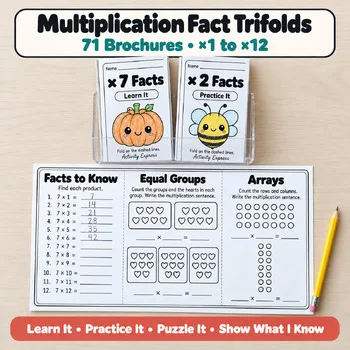
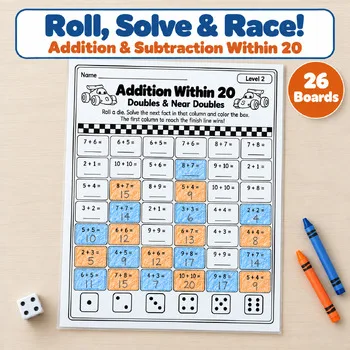
When you want hands-on multiplication practice away from the screen, these Activity Express printables pair well with any of the apps above.
Frequently asked questions
What is the best free multiplication app?
XtraMath and Multiplication.com are the strongest free starting points. XtraMath gives a structured 10-minute daily routine with progress reports, and Multiplication.com offers free games, quizzes, and flashcards with no account needed.
Is Times Tables Rock Stars free?
No. It is a paid subscription: a school subscription costs US$260 a year for unlimited pupils and teachers, and a family subscription costs US$16 a year for up to 3 children and 2 adult accounts.
Which app is best for students who are behind on their facts?
Reflex Math and MathFactLab both suit intervention. Reflex adapts to each student and reports fluency growth for grades 2–6, while MathFactLab teaches facts through strategies and models, which helps students who have memorized little and understood less.
Do any of these work without an account?
Yes. Multiplication.com games are free to play with no account, and Sumdog's games can be played with a free registration. XtraMath, Times Tables Rock Stars, Reflex, and MathFactLab all need an account.
Are there songs for learning the times tables?
Yes. Numberock teaches multiplication through animated music videos, with lesson materials, worksheets, and task cards for each song. A 30-day free trial gives full access before the $4.95-a-month membership.
Make a tool for teachers?
Built something teachers love? We keep these guides fresh, so send us a new tool, updated pricing or a featured spot request.
Request a listingDisclosure: no tool on this page paid to be included and we don't earn commissions from these links. Featured placements, if we ever offer them, will be clearly labeled "Sponsored". Details were checked on each provider's official website on November 1, 2026 and can change.