It is the last ten minutes on a Friday, and the class is restless. You open a short, funny poem and read it aloud. The room goes quiet for the punchline, then erupts, and three hands shoot up to read the next one. That is the whole trick of poetry with young children: the right poem, read aloud, does the teaching before the lesson even starts.
The hard part is finding those poems, and then turning the laughter into writing. Some sites are libraries of classic poems, some are built for listening, and a few walk children through writing their first acrostic or haiku. This list brings those kinds together: free collections to read, recordings to hear, and step-by-step tools that help a child write a poem of their own.
How we picked: we started from a shortlist of poetry sites for children, then checked each site's official pages on November 1, 2026 and only describe features we could see there. We weighted fit for kindergarten through 6th grade classrooms, whether a site works for reading, listening, or writing, and whether a teacher can start using it for free.
Key takeaways
- Best free starting point: the Poetry Foundation's children's poetry collections and education articles.
- Poetry4kids is the strongest pick for teaching children to write funny poems, with step-by-step lessons for acrostic, haiku, and more.
- The Children's Poetry Archive is the only pick built around listening, with poems read aloud by the poets who wrote them.
- ReadWriteThink's free interactives let students build acrostic, diamante, and haiku poems on screen.
- Shel Silverstein's site and the Poetry Zone are the best motivation: classic poems to read, and a place where children's own poems get published.
Quick comparison
| # | Tool | Best for | Grades / audience | Pricing | Free plan |
|---|---|---|---|---|---|
| 1 | free classic and new poems for kids | All ages (K-6 for children's collections) | Free | Free (nonprofit) | |
| 2 | teaching kids to write funny poems | Grades K-6 | Free | Yes | |
| 3 | listening to poems read aloud | Ages 5-11 (by theme and age group) | Free | Yes | |
| 4 | online poetry-making tools for class | Grades K-8 | Free | Free (nonprofit) | |
| 5 | lesson plans and poems by theme | Grades K-12 | Free | Free (nonprofit) | |
| 6 | classic funny poems kids already love | Ages 5-12 | Free | Yes | |
| 7 | publishing children's own poems | Children and teens (K-12) | Free | Yes | |
| 8 | writing challenges for older elementary | Up to age 25; Kids' Poetry Club for younger poets | Free | Yes |
Make a tool for teachers?
Built something teachers love? We keep these guides fresh, so send us a new tool, updated pricing or a featured spot request.
Request a listingThe 8 best picks
- Pricing
- Free
- Free plan
- Free (nonprofit)
- Grades / audience
- All ages (K-6 for children's collections)
The Poetry Foundation publishes Poetry magazine and runs a large free website of poems, articles, and recordings. Its education section gathers poetry resources for teachers and students, including a collection called Poetry for Children of All Ages and short articles that explain how a poem works. You can pull a poem for a morning read-aloud, build a themed set for a unit, or point older students to the poem samplers that introduce one poet at a time.
What we like
- Education section with articles for students and teachers
- Children's poetry collection for all ages
- Poem samplers that introduce one poet at a time
- Glossary of poetry terms for classroom use
Watch out for
- The main archive is aimed at adults, so stick to the children's collections with younger classes.
- Some poems are best for older readers, so preview before projecting.
Pricing: Free to read poems and education resources on the site; no subscription is needed.
- Pricing
- Free
- Free plan
- Yes
- Grades / audience
- Grades K-6
Poetry4kids is the personal site of Kenn Nesbitt, a former U.S. Children's Poet Laureate, built around funny poems children love to hear. The poems are the draw, but the teaching material is the reason to bookmark it: step-by-step lessons for writing funny poetry, rhythm, and forms such as acrostic, haiku, tanka, and shape poems, plus lesson plans for teachers and video lessons. A rhyming dictionary and a poetic terms dictionary help children find the words they need while they write.
What we like
- Funny poems by a former U.S. Children's Poet Laureate
- Writing lessons for acrostic, haiku, tanka, and shape poems
- Lesson plans for teachers and video lessons
- Rhyming dictionary and poetic terms dictionary for kids
Watch out for
- The site is one poet's project, so the poems share a single funny voice.
- Books by the poet are sold separately from the free site.
Pricing: Free to read the poems and use the lessons on the site.
Children's Poetry Archive
Best for: listening to poems read aloud
- Pricing
- Free
- Free plan
- Yes
- Grades / audience
- Ages 5-11 (by theme and age group)
The Children's Poetry Archive is the children's version of The Poetry Archive, built so children can hear poems read out loud. Many poems are read by the poets who wrote them, and you can browse by theme or by poet. The Poetry Play and Learn section adds activities and resources for teachers and young readers, and a MyArchive feature lets you save favourite poems to return to.
What we like
- Audio recordings of poems read out loud, many by the poets themselves
- Browse poems by theme and by poet
- Poetry Play and Learn activities and resources for teachers
- MyArchive to save favourite poems
Watch out for
- The site is run from the UK, so some spellings and references follow British usage.
- Recordings vary in length, so preview before playing one to the class.
Pricing: Free to listen to and browse the poems on the site.
- Pricing
- Free
- Free plan
- Free (nonprofit)
- Grades / audience
- Grades K-8
ReadWriteThink is a free literacy site powered by NCTE, the National Council of Teachers of English. Its student interactives turn poetry forms into guided builders: children make acrostic poems, diamante poems, and haiku step by step, and can also try a letter poem creator, a line break explorer, and theme poems. The site also carries lesson plans and parent activities, such as a poetry walk that sends children outside to collect images for a poem.
What we like
- Free interactives for acrostic, diamante, and haiku poems
- Letter Poem Creator and Line Break Explorer
- Lesson plans for teachers and activities for families
- Work can be saved through RWT ReView
Watch out for
- The site covers all of literacy, so use the poetry search to find the poetry tools.
- Older students may find the interactives too simple.
Pricing: Free to use; the interactives and lesson plans are free on the site.
- Pricing
- Free
- Free plan
- Free (nonprofit)
- Grades / audience
- Grades K-12
Poets.org is the site of the Academy of American Poets, a nonprofit that has supported American poetry since 1934. Its Materials for Teachers page gathers lesson plans, poems for kids and for teens, essays about teaching, and a glossary of poetry terms. Most lesson plans are aligned with the Common Core and reviewed by the Academy's Educator in Residence. The weekly Teach This Poem series and the Dear Poet project, for students in grades 5 through 12, give you ready-made ways to bring one poem into a lesson.
What we like
- Lesson plans for teachers, most aligned with the Common Core
- Poems for kids and for teens, grouped by theme
- Weekly Teach This Poem series with classroom plans
- Dear Poet project for students in grades 5-12
Watch out for
- The full poem database covers all ages, so use the kids and teens collections with young students.
- Membership and magazine access are paid extras.
Pricing: Free to read poems and use the teaching materials; membership is optional and adds the American Poets magazine.
- Pricing
- Free
- Free plan
- Yes
- Grades / audience
- Ages 5-12
Shel Silverstein's official site is the home of the poet behind Where the Sidewalk Ends, A Light in the Attic, and The Giving Tree. The site gathers his books in one place, shares short quotes from the poems, and offers a Learning Resources guide for parents, teachers, and librarians. It works best as a read-aloud source: pick a poem from a book you own, read it to the class, and let the site's guide help you plan what comes next.
What we like
- Official home of Where the Sidewalk Ends and A Light in the Attic
- Short poem quotes to preview with a class
- Learning Resources guide for parents, teachers, and librarians
- Book pages for the full Silverstein collection
Watch out for
- Full poems are not printed on the site, so plan around the books you have.
- Some poems suit older elementary readers better than the youngest.
Pricing: The website is free to browse; the poetry books are sold separately.
- Pricing
- Free
- Free plan
- Yes
- Grades / audience
- Children and teens (K-12)
The Poetry Zone is a small independent site run by children's poet Roger Stevens, publishing poems by children for children since 1998. Children send in their poems and see them published on the site, alongside interviews with children's poets and advice for teachers. It is advert-free, and teachers use it as a friendly way to teach poetry: read poems by other children, talk about what works, then write and submit your own.
What we like
- Publishes poems written by children and teenagers
- Interviews with children's poets
- Advice and information for teachers
- Advert-free site running since 1998
Watch out for
- We could not open every page on November 1, 2026, so confirm the current submission details on the site before sending student work.
- It is a UK site, so some spellings follow British usage.
Pricing: Free to read and to submit poems.
Young Poets Network
Best for: writing challenges for older elementary
- Pricing
- Free
- Free plan
- Yes
- Grades / audience
- Up to age 25; Kids' Poetry Club for younger poets
Young Poets Network is the Poetry Society's free online platform for poets up to the age of 25. It runs writing challenges and competitions, publishes features and advice from working poets, and offers free online workshops. The Kids' Poetry Club, running since January 2020, is the part aimed at younger children, where kids can listen to, read, and share poetry. For elementary classrooms it fits best in grades 5 and 6, where students are ready for a real audience and a themed challenge.
What we like
- Free writing challenges and competitions for young poets
- Features and advice from working poets
- Free online poetry workshops
- Kids' Poetry Club for younger children to read and share poems
Watch out for
- Online workshops are aimed at ages 14-25, not elementary students.
- Competitions have deadlines, so check the dates before promising a class entry.
Pricing: Free to use; challenges, workshops, and the mailing list are free.
How we chose
We started from tools PreK–6 teachers actually use and checked every one against its official website, pricing page and feature pages on November 1, 2026. We kept tools that fit elementary classrooms, noted whether a free plan exists, and wrote down honest limitations next to the strengths. Nobody paid to be included, and we don't use affiliate links on this page.
- Fit for PreK–6 classrooms, special education or homeschool
- Clear information on the official site about what the tool does and who it is for
- Free plan or free-for-teachers option noted where one exists
- Still active and maintained, with rebrands noted
How to choose the right tool
Match the site to the job. If you need a poem to read, start with the Poetry Foundation or Poets.org. If you need listening, open the Children's Poetry Archive. If you need writing, use the Poetry4kids lessons or the ReadWriteThink interactives.
Check the age fit before you share a link. Poetry4kids and the Children's Poetry Archive suit the youngest readers, while the Poets.org lesson plans and the Young Poets Network challenges fit upper elementary better.
Read the poem aloud first. A poem that falls flat in thirty seconds will not improve on a worksheet, so test it on yourself before you test it on a class.
Teach the form with a model, not a blank page. Read one acrostic or haiku together, name what makes it work, and only then open the interactive or the writing lesson.
Plan the audience before the writing. A poem for the Poetry Zone or a Young Poets Network challenge gets more effort than a poem for a folder, but check the submission steps and permissions first.
Best pick by situation
- You want a free poem to open the school day: Poetry Foundation — children's poetry collections ready to read aloud
- You teach K-2 and want funny poems children can hear and copy: Poetry4kids — funny poems plus step-by-step writing lessons
- You need poems read aloud by the poets themselves: Children's Poetry Archive — audio recordings, browsable by theme and poet
- You want students to build acrostic, haiku, and diamante poems online: ReadWriteThink — free interactives that guide each form
- You need a lesson plan and poems on one theme: Poets.org — lesson plans and poems for kids grouped by theme
- You want students to see their own poems published: The Poetry Zone — publishes poems by children, with teacher advice
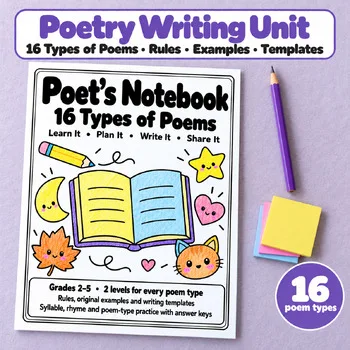
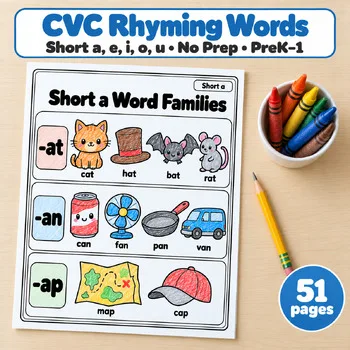
Pair it with printables
When you want hands-on poetry practice away from the screen, these Activity Express printables pair well with any of the sites above.
Frequently asked questions
What is the best free poetry website for elementary students?
Poetry Foundation and Poetry4kids are strong free starting points. The Poetry Foundation's children's collections give you poems to read aloud, and Poetry4kids adds funny poems plus step-by-step writing lessons.
Can students publish their own poems on these sites?
Yes, on The Poetry Zone, which publishes poems by children and teenagers. Check the submission steps and get the right permissions first, since the poems appear on a public site. Young Poets Network runs writing challenges too, but most are aimed at older students.
Which site is best for teaching haiku?
ReadWriteThink's Haiku Poem Interactive walks students through writing one, and Poetry4kids has a lesson on how to write a haiku. Use the two together: the lesson first, the interactive second.
Are these poetry sites free?
All eight are free to use. Shel Silverstein's books are sold separately, and Poets.org membership, which adds the American Poets magazine, is a paid extra.
Which site is best for listening to poetry?
The Children's Poetry Archive, where many poems are read aloud by the poets who wrote them. You can browse by theme or by poet, and the Poetry Play and Learn section adds activities.
Make a tool for teachers?
Built something teachers love? We keep these guides fresh, so send us a new tool, updated pricing or a featured spot request.
Request a listingDisclosure: no tool on this page paid to be included and we don't earn commissions from these links. Featured placements, if we ever offer them, will be clearly labeled "Sponsored". Details were checked on each provider's official website on November 1, 2026 and can change.